

WriterAccess has been a go-to for agencies that rely on freelance writers to keep the content pipeline moving. Starting at $279 per month, it gives you access to a vetted talent marketplace with built-in workflow tools. For teams, that's been enough. But agencies that have moved toward AI-assisted production - large language models to draft, repurpose, and scale content - are running into a familiar friction point: the platform was built for a different era of content creation.
That's not a knock on WriterAccess - it does what it was designed for. The issue is that AI-first agencies have fundamentally different needs. They're looking for places that integrate cleanly with AI tooling, support hybrid human-AI workflows, give you flexible pricing as output volume climbs, and don't create bottlenecks when speed is the whole point.
I'll break down the WriterAccess alternatives worth looking at - if you're thinking about a full switch or just want to stack something more capable alongside what you already use.
Short Summary
For agencies going AI-first, the top WriterAccess alternatives include Jasper, Copy.ai, and Writesonic for AI-native content generation. Narrato and Content at Scale blend AI writing with human editing workflows. Surfer SEO pairs well with AI tools for optimized output. For fully automated, scalable content pipelines, Content at Scale and Frase are strong picks. Unlike WriterAccess, these platforms prioritize AI speed and automation over freelancer marketplaces, making them better suited for agencies looking to reduce human dependency and increase content volume efficiently.
Why Agencies Are Outgrowing Traditional Freelance Marketplaces
Content agencies have changed quite a bit in the past few years, and the places built to support them have not necessarily kept up. The way agencies produce, manage, and deliver content looks very different now compared to even three years ago.
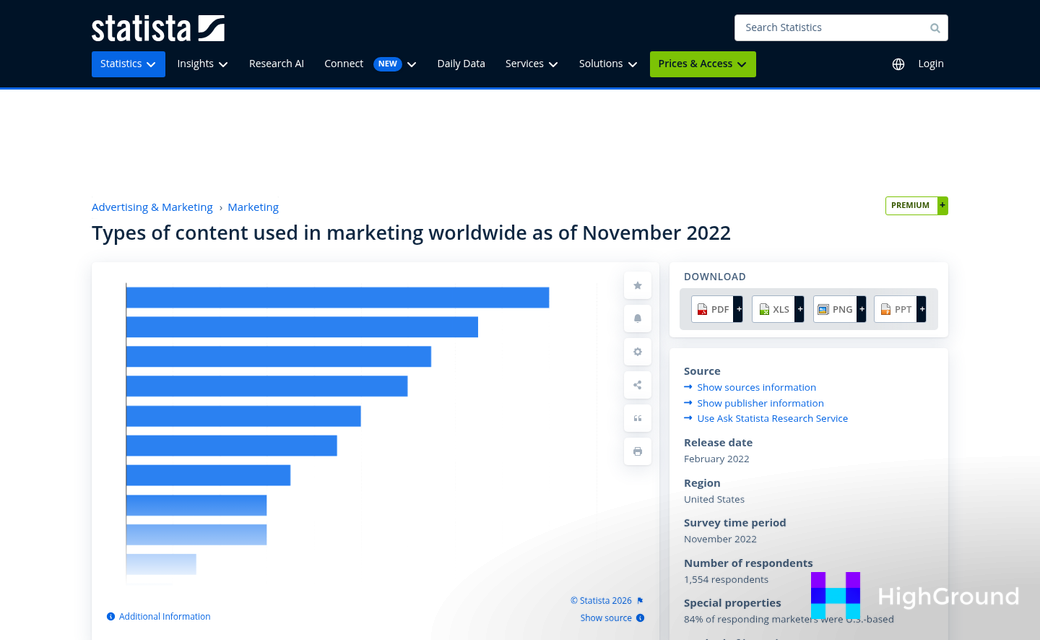
Consider the volume alone. Wyzowl's 2025 research found that 82% of businesses publish video on YouTube, and that number has been climbing for years. Written content is still central to most strategies. But it now sits alongside scripts, captions, social copy, email sequences, and short-form video content that all need to move fast. A platform built around a pool of human freelancers can do things well. But raw speed and multi-format scale are hard to deliver that way.
The freelance marketplace model works on a familiar logic. You post a job, a writer picks it up, you review it, and it goes live. That flow made perfect sense when written blog posts were the main output and turnaround times of a few days felt standard. For agencies running AI-first workflows, that model can create friction at almost every step.

Human writers have not become less helpful. The problem is structural. Platforms built around individual freelancer assignments were not designed to integrate with AI drafting tools, manage fast-fire content briefs, or support the blended human-and-AI production process that agencies have moved toward. Asking those places to stretch into that territory is like using software that was built for one job for something it was never meant to manage.
There is also the format question. When your agency needs written articles, video scripts, product descriptions, and ad copy all delivered in a steady brand voice and turned around faster, a traditional marketplace makes you stitch together multiple freelancers across multiple briefs. That takes coordination time that most agencies would rather spend on strategy or client communication.
It is worth asking yourself: is the platform you use built for the way your agency works, or the way it worked a few years ago? The content needs have expanded, the workflow has changed, and scaling content production requires a platform that can hold the weight.
What WriterAccess Does Well Before You Walk Away
WriterAccess has an 8.6 out of 10 rating on FinancesOnline and a 96% customer satisfaction score. Those numbers are not accidental. The platform built something that legitimately works for a type of agency.
If your agency runs on written content at scale and you need a reliable pool of vetted writers, WriterAccess delivers that well. The talent marketplace is large, the quality tiers give you control over what you spend, and the managed service options take the work out of content production. For agencies that produce blogs, articles, and web copy in volume, it removes an operational headache.
The workflow tools are also worth mentioning. WriterAccess lets you build style guides, set up content briefs, and save preferences so repeat orders stay steady. That structure matters when you're handing off work to multiple writers across different client accounts.
| What Works Well | Where It Falls Short |
|---|---|
| Large pool of vetted writers | Built around written content only |
| Tiered pricing for quality control | No native support for AI workflows |
| Solid brief and style guide tools | Limited creative format options |
| High customer satisfaction scores | Less flexible for mixed-media projects |
The honest question to ask yourself is whether your frustration is with WriterAccess in particular or with single-format platforms. Those are two different problems with two different solutions.
An agency that needs written content and written content only may find that WriterAccess still fits. The friction starts when your production needs expand to include video scripts, AI-assisted drafts, design briefs, or social content - formats the platform was never built to manage.
It is also worth separating quality complaints from scope complaints. If the writing itself has let you down, that's a platform-fit conversation. Tools like Copy.ai alternatives built for small business show how much the landscape has shifted toward flexible, multi-format production.
WriterAccess earned its reputation by doing one thing well. The agencies moving away from it are not necessarily moving away because it failed - they are moving because their needs have grown past what any single-format marketplace is able to manage.
The Features AI-First Agencies Actually Need in a Platform
Agencies that have built AI into their workflows aren't just looking for a writer marketplace anymore. They need a platform that works with their AI stack- not around it.
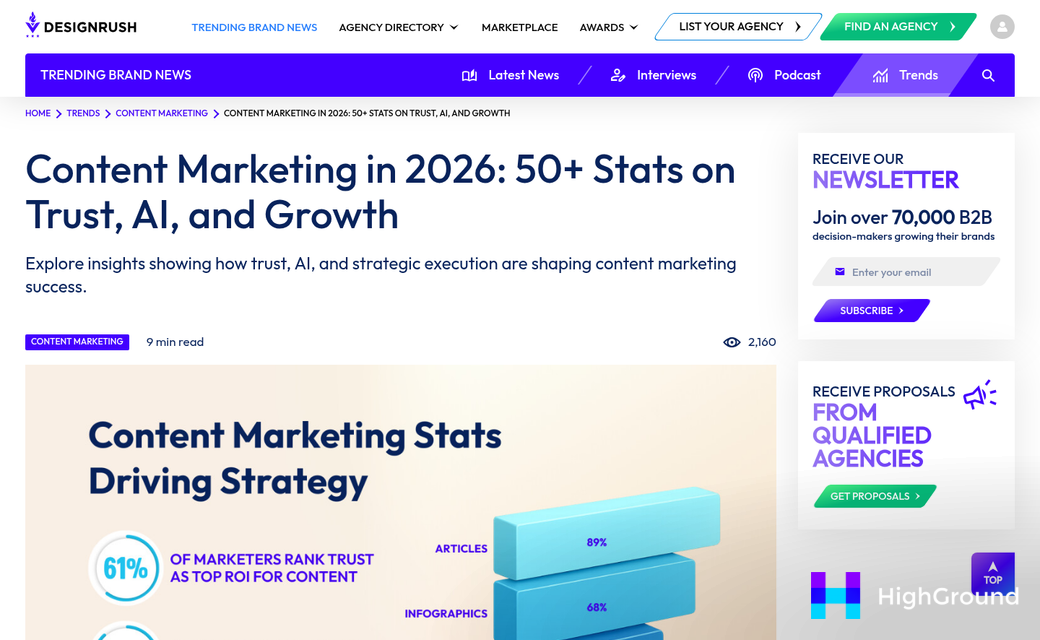
A 2025 DesignRush study found that 61% of marketers say trust and credibility are the top return from content marketing; it's worth sitting with for a bit- it means even when AI is doing the heavy lifting, the output still has to feel authoritative and on-brand. A platform that can't support that will create more problems than it solves.
Here are the capabilities that matter most for agencies running AI-first content operations.
| Capability | Why It Matters for AI-First Agencies |
|---|---|
| Native AI writing tools | Lets teams generate and edit content inside one platform instead of juggling separate tools |
| Brand voice training | Keeps AI output consistent across clients so content doesn't read like it came from a generic template |
| Multi-format support | Handles blogs, social copy, emails, and ad content without needing separate workflows for each |
| Workflow automation | Cuts down on manual handoffs between brief, draft, edit, and publish stages |
| Team collaboration | Allows editors, strategists, and clients to work inside the same space without version chaos |
| Scalable pricing | Grows with output volume rather than charging per seat or per word at a flat rate |
Brand voice training deserves extra attention here. When multiple team members and AI tools are all making content for the same client, consistency is what separates polished agency work from content that feels disconnected. A platform that lets you encode tone, style, and words at the account level saves time in the editing stage.

Workflow automation is the other big one. The more manual steps you can remove between the brief and the published piece, the faster your team can move without adding headcount.
Multi-format support also matters more than it gets credit for. Agencies don't produce just one content type for a client, so a platform that works with long-form and short-form inside the same environment keeps things clean and manageable. If you're also weighing how much AI content costs per blog post, that context makes it easier to evaluate whether a platform's pricing structure actually scales.
These are the benchmarks to hold any alternative to as you work through the comparisons ahead. It's also worth understanding how SEO and meta automation fits into an AI-first workflow, since that's often where manual overhead quietly builds up.
Head-to-Head: Top WriterAccess Alternatives Compared
The table below covers what matters for agency choice-makers, and each platform serves a need, so the goal is to line up with the tool that fits your content operation instead of rank them against each other.
| Platform | Key Strength | Starting Price | Best For |
|---|---|---|---|
| Jasper | AI writing with brand voice controls | $49/month | Agencies scaling written content fast |
| Writesonic | Multi-format AI content generation | $16/month | Teams producing blogs, ads, and social in one place |
| Verblio | Hybrid human-AI content with editorial review | $49/month | Agencies that want human oversight without full freelance management |
| Content at Scale | Long-form SEO content built to pass AI detection | $250/month | Agencies with high-volume SEO deliverables |
| Narrato | End-to-end content workflow with AI assistance | $36/month | Agencies managing multiple clients and content pipelines |
Jasper sits at $49 to $125 per month depending on the plan, which is an actual jump from tools like Writesonic but comes with stronger brand voice features. That price gap matters if you are running content for a few clients with different guidelines and standards.
Verblio is worth a look if your agency is not ready to go fully automated - it keeps human writers involved while still using AI to speed up production - a solid middle ground for content that needs more nuance or editorial care.
Content at Scale targets a narrower use case but executes it well. If SEO volume is your primary output and you need content that reads as human-written, it's one of the few platforms built specifically with that goal in mind.
Narrato works less for its AI writing and more for its workflow layer - it gives agencies a place to manage briefs, assign work, track progress, and publish, all within one dashboard. For teams juggling multiple client accounts, that structure cuts down on overhead.
No single platform here wins across every category. The right pick can depend on your content mix, your team size, and how much human involvement you want in the process.
Matching the Right Platform to Your Agency's Content Mix
The comparison data only gets you so far. What actually helps you make the call is to look at your client roster and ask what they need from you every month.
Some agencies run almost entirely on blog content. If that's you, the priority is throughput and consistency - you want a platform that works well with volume and gives you reliable writers. Platforms built around managed editorial workflows tend to be more helpful here than pure AI tools, because your clients can usually tell the difference between a polished 1,500-word post and a lightly edited AI draft.
If your agency produces a wider combination - landing pages, email sequences, product descriptions, social copy - then flexibility matters more than depth. You're scaling multiple content types and switching formats constantly. In that case, a platform with strong AI tools and human editing on top tends to be more helpful than one built around a single content type.
Video scripts and ad copy sit in their own category. These formats are shorter but harder to get right because tone and rhythm carry the weight. Not every platform works with them well, so it's worth testing with real briefs before committing to anything.

A helpful strategy is to identify your three highest-volume content types across your client base, then match those to what each platform actually does well instead of what its marketing page says it does.
It also helps to consider how your team wants to work. Some platforms give you writers and mostly stay out of the way. Others give you tools and expect your team to drive the process. Neither is wrong. But one is probably a better fit for how your agency actually runs. You can get a clearer picture of what some of these tools actually do by looking at how they work before committing.
Your client roster should drive this more than your internal preferences. An agency with five e-commerce clients has very different content needs than one working with B2B SaaS businesses or local service businesses. The platform that works for one combination might slow you down with another.
One last thing worth checking is how each platform handles turnaround time versus quality. That gap matters more at scale than most agencies account for at first. If you're also managing internal linking across client sites, the right platform choice becomes even more consequential.
Mistakes Agencies Make When Switching Content Platforms
Switching platforms mid-campaign is stressful, and the pressure to keep client work moving makes it easy to skip steps that matter. Most of the pain comes not from the new platform itself but from how the transition gets handled.
Here are the dangers that derail agencies during a switch.
-
Not migrating brand guidelines before anything else. Brand voice documents, tone notes, and style guidelines live in your old workflow - and they don't move automatically. If you start generating content on a new platform before those guidelines are loaded in, writers and AI tools alike will default to generic output. Clients see this fast - even if they can't always name what's wrong.
-
Going live with AI output before testing it. The temptation to move faster is real, and that's especially true when a new platform promises faster turnaround. AI-generated content should have a quality check against your client standards before it lands in front of anyone. Run a few test pieces first and have a senior editor review them against past approved work.
-
Underestimating the learning curve. New platforms take time to learn even when they're well-designed. Account managers, editors, and writers all need some runway to get comfortable with a new interface, briefing format, or revision workflow.

-
Switching everything at once. Running one client account or content type on the new platform first is much easier to manage. A phased strategy lets you catch problems in a contained way instead of across your whole book of business. Small wins also help your team build confidence before the full rollout.
-
Not telling clients about the change. You don't have to announce every tool you use. But clients do notice changes in tone, turnaround time, or formatting. A short heads-up that you're updating your process - framed as an improvement - sets better expectations than a silent switch that prompts a confused email two weeks later.

That means someone owns the rollout, there's a timeline, and quality checks happen before clients see anything new.
Choosing the Platform That Grows With Your Agency
Don't overthink the transition. Pick one platform from this list that aligns closest to your current workflow, run it on a client project for 30 days, and let the results speak. You'll learn more from one live test than from any comparison chart.
FAQs
What does WriterAccess cost per month?
WriterAccess starts at $279 per month, giving access to a vetted freelance writer marketplace with built-in workflow tools.
Why are agencies moving away from WriterAccess?
Agencies moving toward AI-assisted content production find WriterAccess limiting because it lacks native AI workflow support, multi-format flexibility, and scalable pricing for high-volume output.
What are the top WriterAccess alternatives for agencies?
Top alternatives include Jasper, Writesonic, Verblio, Content at Scale, and Narrato, each suited to different content mixes, team sizes, and levels of human involvement.
What features should AI-first agencies prioritize in a platform?
AI-first agencies should prioritize native AI writing tools, brand voice training, multi-format support, workflow automation, team collaboration features, and scalable pricing.
What mistakes should agencies avoid when switching content platforms?
Avoid switching all clients at once, skipping brand guideline migration, and publishing untested AI content. A phased rollout with quality checks before client delivery reduces risk significantly.