


Then AI entered the picture and changed the math entirely. What once cost hundreds of dollars per post can now cost a fraction of that, sometimes just a few dollars, depending on how you use the tools available. That change has opened up content production to businesses and creators who were previously priced out - and it's forced everyone else to rethink their budgets.
But cheaper isn't automatically better, and that's where things get interesting. AI content comes with trade-offs, and the cost per post changes more than you might know. The number you land on can depend on the tools you use, how much human involvement is in the process, the difficulty of the topic, and what you're actually trying to accomplish with the content.
I'll break down what AI-generated blog content realistically costs, walk through the things that push that number up or down, and help you figure out what investment actually makes sense for your goals and your budget.
Short Summary
AI-generated blog content typically costs between $0.01 and $5 per post depending on the tool and length. Using AI writing tools directly (like ChatGPT or Jasper) can cost as little as a few cents per post through subscription plans averaging $20-$100/month. Hiring AI-assisted content services runs $5-$50 per post. Fully managed AI content agencies charge $50-$200+ per post with human editing included. The more human oversight and editing involved, the higher the cost.
What the Average AI Blog Post Actually Costs in 2026
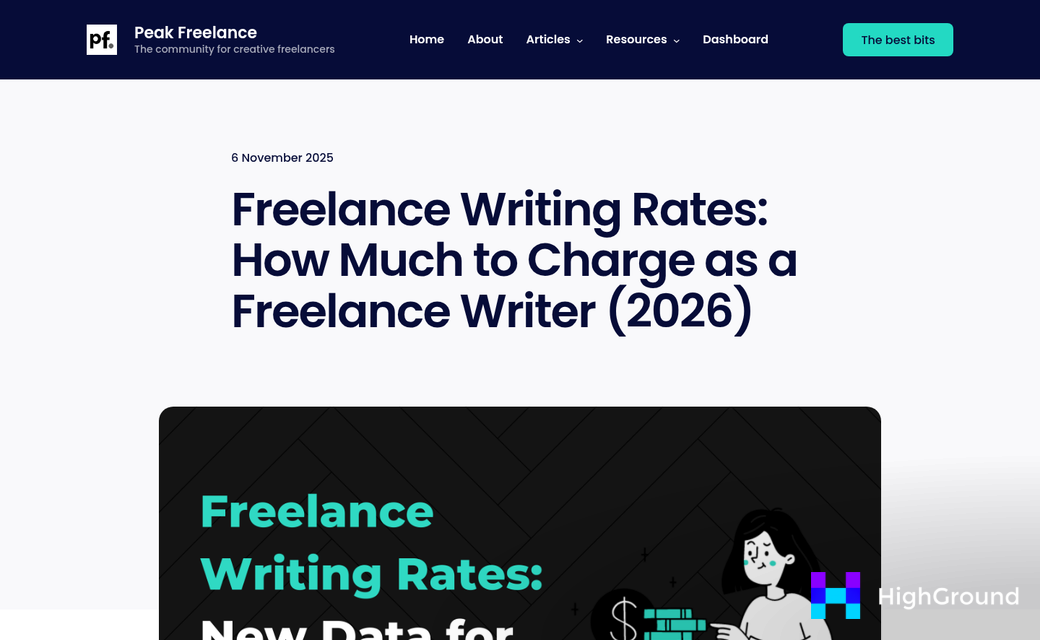
The numbers here are more concrete than expected. An AI-written blog post averages around $131. But a human-written post runs about $611.
| Content Type | Avg. Cost Per Post | Monthly Tool Cost |
|---|---|---|
| AI-Written | $131 | ~$40 |
| Human-Written | $611 | N/A |
But that $131 figure isn't the AI tool doing the work for free - it breaks down into a few costs that are worth examining separately.
The tool subscription itself is the smallest piece. Most AI writing platforms run about $40 per month, which works out to roughly $10 per week. That part is easy to budget for.
The rest of that $131 comes from the human time wrapped around the AI output. Someone still has to write a strong prompt, review the draft, fact-check the content, and edit it into something worth publishing. Depending on your workflow and who's doing that work, those hours can add up to a actual chunk of the per-post cost.
An AI blog post is a collaboration rather than an automated output. The tool handles the heavy lifting of a first draft. But the human side - prompting, editing, and polishing - is what determines if that post is helpful to readers. Skipped steps tend to show in the final product.
For context, the $611 average for human-written content usually covers a freelance writer's fee for research, drafting, and revisions. There's no subscription cost layered on top because the writer is the tool. With AI content, you're basically trading a higher per-job labor cost for a lower monthly subscription cost, with editing work sitting in the middle.
The per-post cost for AI content can move up or down based on how much editing the draft needs and how experienced the editor is. A post that needs heavy restructuring will cost more in time than one that just needs a light pass.
Why AI Users Still Spend Similar Monthly Budgets to Non-AI Users
Zoom out from per-post costs to monthly spending and something interesting shows up. Companies that use AI for content spend around $2,475 per month on average. Companies that don't use AI spend around $2,442 per month; it's a difference of about $33.
AI dramatically lowers the cost to produce a single post. But the monthly budget barely moves. So where does the money go?
The most likely explanation is volume. When each post costs less to produce, the natural response is to publish more posts. Instead of pocketing the savings, most teams reinvest them into a higher output of content. The budget stays roughly the same. But the content calendar gets much busier.
This makes sense from a strategy standpoint. More content means more opportunities to rank, more topics covered, and more entry points for readers to find a site. Publishing ten posts a month instead of four builds momentum, and it's easy to see why teams chase that.
It's worth asking an honest question: are you actually saving money with AI, or are you just making more content? Those are two very different results.

Volume isn't a bad goal on its own. A higher publishing rate can build authority and grow organic traffic over time. The problem is when volume becomes the default result of AI instead of a deliberate choice within a content strategy. More posts don't automatically mean better results, and a bloated content library can be just as hard to manage as a sparse one.
There's also the matter of what "more content" actually costs beyond the writing itself. More posts mean more editing time, more internal links to manage, more metadata to write, and more performance data to track. Those tasks eat into the time savings that AI was supposed to create.
The monthly budget comparison tells what per-post costs can't: it shows that AI hasn't made content cheaper for most businesses - it's made content more plentiful. Whether that's doing the work you need it for is a separate question, and one the numbers alone won't answer.
The Spending Gap Between AI and Non-AI Content Budgets
Monthly budgets might look similar on the surface. But the per-post numbers show something different. Where that money goes - and how far it stretches - changes quite a bit depending on if AI is part of the process.
The most striking difference is at the lower end of the scale. A full 87% of AI users spend $0-$100 per post, compared to just 39% of non-AI users at that same level; it's a basic difference in what content production costs day to day.
At the high end, the contrast holds. Around 11% of non-AI users spend $1,000 or more per post. But only 2% of AI users reach that threshold. Non-AI production at a high level means more human hours, specialist writers, or agency fees - which pushes costs up.

| Cost Per Post | AI Users | Non-AI Users |
|---|---|---|
| $0-$100 | 87% | 39% |
| $101-$499 | 9% | 34% |
| $500-$999 | 2% | 16% |
| $1,000+ | 2% | 11% |
The middle range is worth mentioning too. About 34% of non-AI users fall in the $101-$499 bracket, versus only 9% of AI users - a large portion of traditional content buyers paying mid-range rates, likely for freelance writers or semi-managed content services.
If you use AI tools and spend under $100 per post, you're in the majority for your group. If you're a non-AI buyer spending $200-$400 per post, that's also a common position and not one that is going to need any pressure to change.
The table above can be a helpful reference point - it shows that AI adoption changes the tools involved and redistributes where spending concentrates across the whole content budget.
What Makes an AI Blog Post More or Less Expensive
Not all AI blog posts cost the same, and the difference between a $15 post and a $300 post usually comes down to a handful of concrete things.
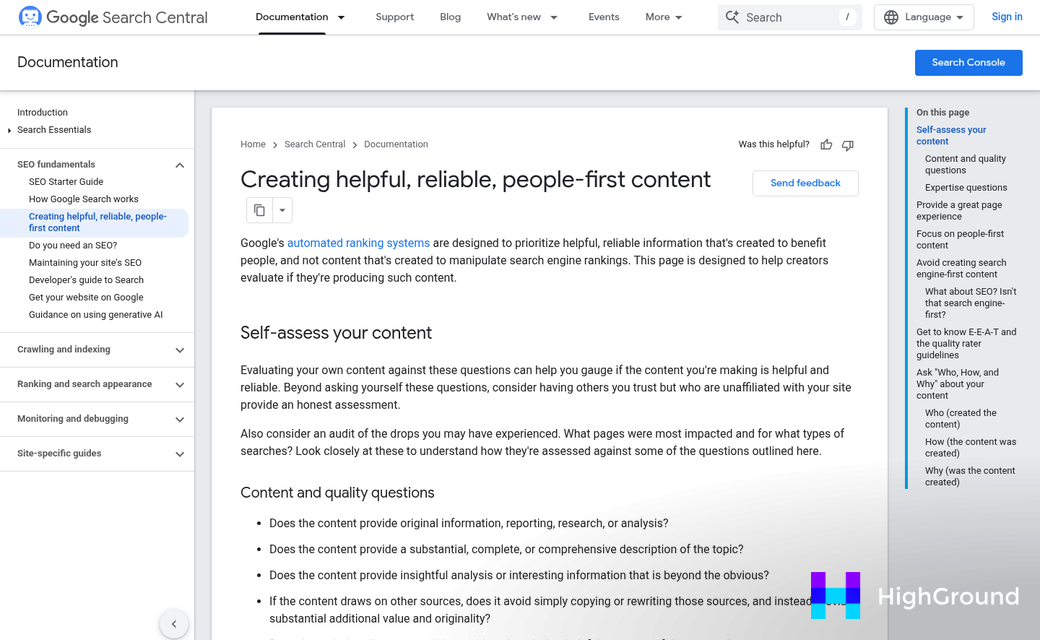
Post length is one of the easiest variables. A 600-word general post takes far less time to prompt, review, and edit than a 3,000-word technical deep dive. The word count alone can multiply your costs before you factor in anything else.
Complexity matters just as much as length. A post about personal finance, healthcare, or any field where accuracy is an absolute is going to need a subject matter expert to review the output. That review costs money.
The level of human editing involved is another big lever. Some AI content needs only a light pass for tone and flow. Other pieces need to be substantially rewritten before they are ready to publish. The difference between light editing and heavy editing can represent hours of human labor on a single post.
The tool tier being used also factors in. Enterprise AI platforms with advanced features cost more than entry-level tools, and those costs feed into what you pay per post. Some agencies and freelancers pass these costs through.
SEO optimization can add another layer. On-page optimization, keyword research, internal linking, and metadata work all take time, whether a human or a tool handles them. Many teams treat these as add-ons that get priced separately.
Here is a rough look at how these things interact:
| Post Type | Typical Factors | Estimated Cost Range |
|---|---|---|
| Short general post (600-800 words) | Light editing, basic SEO | $15-$60 |
| Mid-length post (1,000-1,500 words) | Moderate editing, SEO included | $60-$150 |
| Long technical post (2,500-3,500 words) | Heavy editing, expert review, full SEO | $200-$500+ |
The trap worth naming here is treating all AI content as a flat, cheap commodity. A 3,000-word technical post with expert review and SEO work is not a $10 job - and expecting it to be one usually means cutting corners that affect the final quality.
Hidden Costs That Don't Show Up in the Per-Post Price Tag
The price you pay per post is only part of the picture. What you spend in time and internal labor can quietly add up to as much as the content itself costs.
Prompting an AI tool well takes effort. Testing different outputs and refining the result until it sounds right is not a five-minute job. For anyone earning a decent hourly rate, even 45 minutes of prompt work per post starts to add real cost to your "cheap" AI content.
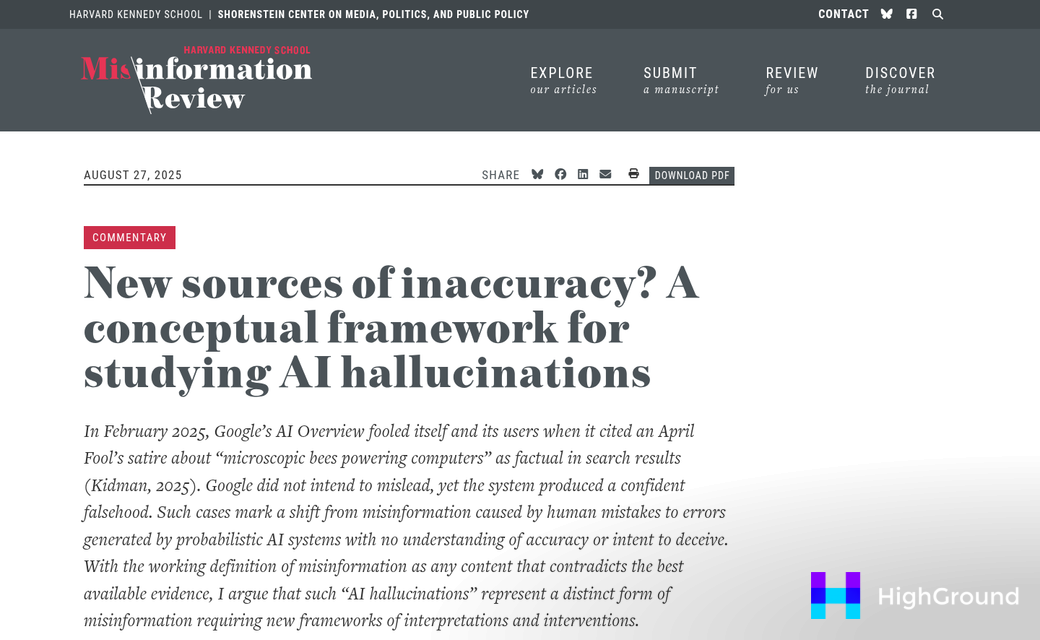
Fact-checking is the most underestimated cost. AI tools can produce confident-sounding information that's wrong, and those errors are not necessarily obvious. Someone on your team needs to verify claims, check sources, and fix anything that doesn't hold up. That labor belongs in your cost calculation whether you pay for it directly or absorb it yourself.
Editorial oversight is another line item that doesn't show up in a quoted price. Even if you use a managed AI content service, someone still needs to review the output for brand fit, tone consistency, and strategic alignment. That could be you, a content manager, or a contractor - but it's not free.
Then there's the publishing side. Formatting posts in your CMS, adding internal links, sourcing and sizing images, and writing meta descriptions - none of that happens on its own. Depending on your setup, it can take anywhere from 20 minutes to well over an hour per post.
Content strategy is a separate cost worth accounting for. AI can produce words, but it can't choose which topics to target, how to position your brand, or how posts should connect to each other. Someone has to do that work upstream, and it takes time regardless of how the content gets written.
Write down every step from brief to published post and attach a basic time estimate to each one. Some of the steps will be faster with AI than with a human writer - some won't be. Once you see the full picture, you'll have a more honest sense of what AI content actually costs your business.
So What Should a Blog Post Actually Cost You?
Once you know your cost, you can make better decisions about where to optimize. If you're prioritizing volume, there's room to scale along. If quality is the goal, that extra editing time may be worth every penny. And if you're trying to grow without burning out, the honest truth is that AI content works best when the workflow around it is as well-designed as the writing itself - because raw AI output alone doesn't cross the finish line without some human judgment guiding it.
FAQs
What does an AI-written blog post cost on average?
An AI-written blog post costs around $131 on average, compared to $611 for a human-written post. That $131 includes tool subscription costs of roughly $40/month plus human time spent prompting, editing, and fact-checking the AI output.
Does AI content actually save businesses money monthly?
Not significantly. Businesses using AI spend about $2,475/month on content, while non-AI users spend $2,442. Most teams reinvest savings into publishing more posts rather than reducing their overall content budget.
What factors make an AI blog post more expensive?
Post length, topic complexity, editing depth, tool tier, and SEO optimization all affect cost. A short general post may cost $15-$60, while a long technical post with expert review can run $200-$500 or more.
Are there hidden costs in AI content production?
Yes. Prompt refinement, fact-checking, editorial oversight, CMS formatting, internal linking, and content strategy all require human time that isn't reflected in a per-post price quote but meaningfully adds to your true cost.
How do AI and non-AI users differ in per-post spending?
87% of AI users spend under $100 per post, compared to just 39% of non-AI users. At the high end, 11% of non-AI users spend $1,000+ per post, versus only 2% of AI users.