


That's exactly where AI tools have started earning their place in serious SEO workflows. Not as a replacement for strategy. But as the engine that works with the repetitive, rules-connected work of making titles that are keyword-relevant, click-worthy, and within Google's preferred length - without burning out your team in the process.
This guide breaks down the best AI tools built for this job in 2026. We looked at tools that integrate cleanly with WordPress, manage bulk inputs without falling apart, and actually produce titles worth publishing - not just plausible-sounding filler. Whether you're taking care of an ecommerce catalog, a media publication, or a multi-site agency setup, there's a helpful option here for your workflow.
Short Summary
The best AI tools for writing WordPress meta titles at scale in 2026 include Surfer SEO, Semrush's AI writing features, RankMath's AI assistant, Jasper, and ChatGPT via API integrations. For bulk generation, tools like Screaming Frog combined with AI APIs or dedicated plugins like SEOPress Pro allow automated meta title creation across thousands of pages simultaneously. RankMath and Yoast Premium offer built-in AI suggestions directly within WordPress. Prioritize tools that integrate with your existing workflow, support bulk editing, and follow current character limit guidelines of 50-60 characters for optimal search display.
Why Meta Titles Still Drive Clicks in 2026
The meta title is the first choice a searcher makes about your page. Before they read a word of your content, they read your title in the search results and choose whether to click or scroll past. That split-second choice is what click-through rate measures, and it has a direct knock-on effect on your traffic.
Search engines pull your meta title into the snippet that appears on results pages. Google may rewrite it. But a well-written title still sets the baseline. When the title is weak or vague, even a high-ranking page loses clicks to a lower-ranked competitor with a sharper one.
"Good enough" titles are not neutral - they actively cost you traffic by failing to look great in a list of ten results.

Sites that use AI bulk generation tools - paired with SEO plugins like Yoast or Rank Math - have reported CTR improvements of 15-30% over generic auto-generated copy. That gap matters quite a bit when taking care of hundreds or thousands of pages. A small percentage gain per page multiplies fast across a large site.
But most WordPress sites are not running a meta title strategy at all. WordPress defaults to pulling the page or post title as the meta title. That works in a technical sense. But post titles are written for readers who are already on your site. Meta titles need to speak to searchers who have not decided to visit yet. Those are two different jobs.
A post titled "Our Updated Return Policy" tells your existing customers what they are clicking on. But in a search result, it competes against titles like "How to Return Any Online Order in Under 5 Minutes." One of them gets clicked and one gets ignored.
It is worth asking yourself: does your site have a meta title strategy, or is it running on whatever WordPress filled in by default? For a single site with ten pages, that's manageable to fix by hand. For a site with five hundred product pages or a publishing operation pushing out content, manual editing does not scale. That is where AI tools enter the picture.
How AI Title Generation Actually Works Inside WordPress
Most AI title tools in WordPress work as plugins that sit between your content and an external AI provider. When you run a bulk generation, the plugin reads your page content and sends it to that AI provider, which then returns a suggested title. That title lands back in your WordPress dashboard, ready to approve or edit.
The AI provider is doing the heavy lifting here. Tools like SEOPress can connect to as many as five different AI providers, which means you can pick the model that fits your budget or output preference. Some teams use GPT-4 for its strong English output, and others lean toward DeepSeek for cost efficiency at scale.
Here is what gets sent to the AI. The plugin pulls data from your page - usually the post title, body content, category, and sometimes the existing meta description - it packages that into a prompt, which tells the AI how long the title should be, what tone to use, and what keywords to include. The quality of that prompt is what separates a generic output from something helpful.
This is worth knowing because it explains why some titles come back flat. If the plugin sends a thin or poorly structured prompt, the AI has very little to work with. Pages with sparse content tend to produce weaker titles than pages with well-written body copy.
There are a few other places the process can break down. Character limits are a common one - AI models don't always count characters the way Google does, so titles can come back too long. Some plugins manage this with post-processing rules. But others just return whatever the model gives them.
Token limits are another factor to keep in mind. If your page content is very long, the plugin may trim it before sending, which means the AI works from a partial picture of your page. This does not necessarily cause problems. But it can give you titles that miss the main angle of a piece.
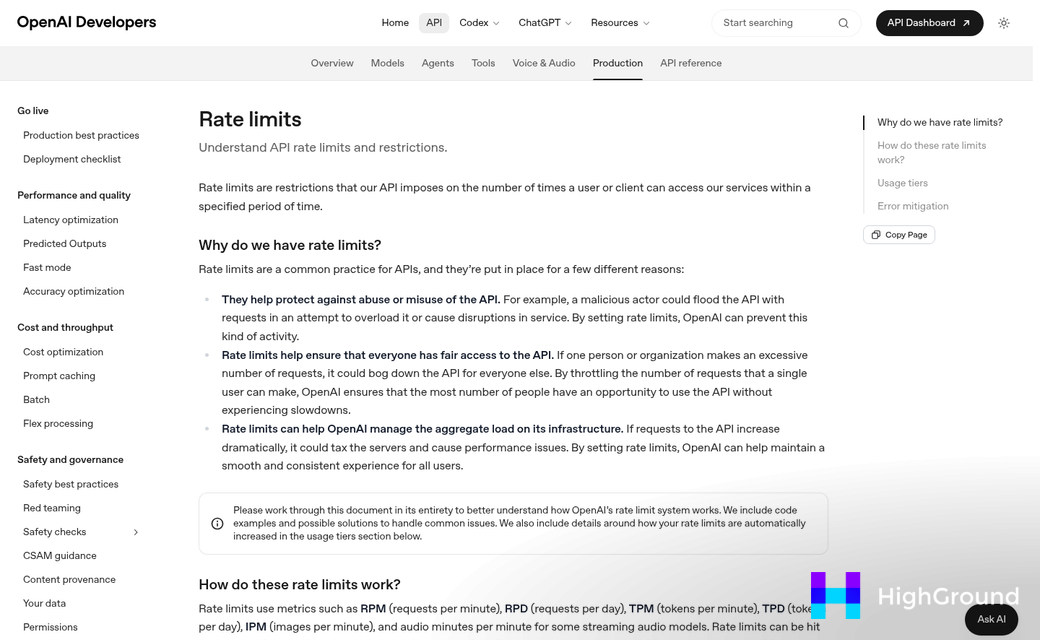
A bulk generation across hundreds of posts can also depend on your API connection staying stable. Rate limits from your AI provider can slow things down or pause a job partway through. It's worth checking your provider's rate tier before running a large batch - and if you're managing content at that scale, it helps to have a plan for bulk updating other meta fields at the same time.
Comparing the Top AI Tools for Bulk Meta Title Writing
Here is a quick look at the four tools worth your attention this year, before we get into what separates them in practice.
| Tool | Starting Price | Key AI Feature |
|---|---|---|
| Yoast SEO Premium | €118.80/year | Generates 5 title options instantly |
| Rank Math Content AI | $5.99/month | Credit-based bulk generation |
| SEOPress | Varies | Connects to 5 AI providers |
| Headline Studio Pro | $9/month | Title scoring and optimization |
Yoast SEO Premium is the most familiar name here and its AI Generate feature is helpful for editors who want options fast - it gives you five title suggestions per post in one click. In practice, roughly two of the five are ready to publish with only minor wording adjustments. The other three can still be worth reading because they sometimes surface an angle you had not considered.
The annual price is on the higher end but it covers the full Yoast Premium plugin instead of just the AI feature. That makes it a natural fit for teams already inside the Yoast ecosystem.
Rank Math Content AI runs on a credit system, which is worth keeping in mind, and each generation costs credits, so bulk work across a large site can burn through an allocation faster than expected. The $5.99 entry price looks attractive but you might need to upgrade to a higher credit tier to manage a catalog of a few hundred posts - it fits well into a Rank Math workflow and the interface does not need you to leave the editor. If you want to streamline that further, using AI writing assistants inside the WordPress block editor can help keep everything in one place.

SEOPress takes a different approach and lets you connect to five different AI providers like OpenAI and Google Gemini - this gives you more control over the model behind the output and can cut back on cost if you already have an API key in use elsewhere - it does take a little more setup to get running compared to the others.
Headline Studio Pro is less focused on WordPress integration and more focused on title quality scoring - it grades your titles against engagement and SEO factors and pushes you to refine them - it works as a second layer on top of another tool instead of a standalone bulk generator.
The right fit can depend on your volume, your budget structure, and how much your team already leans on one SEO plugin over another.
What to Check Before Publishing AI-Generated Meta Titles
Most skip this step entirely, and that's where the problems start. Even the best AI output should have a human to look it over before it goes live across hundreds of posts.
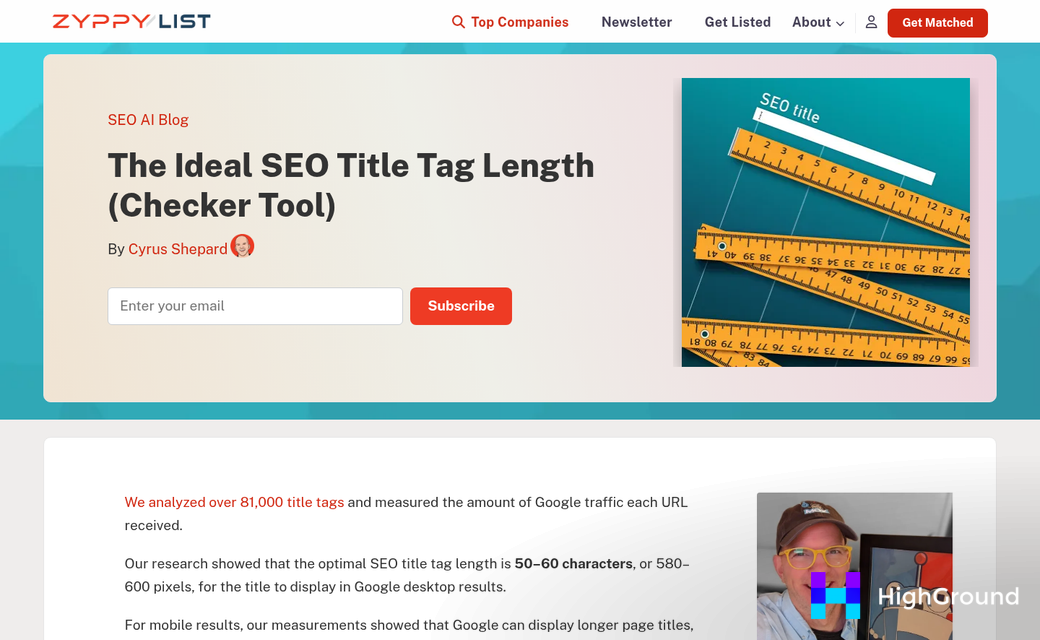
The first thing to check is character length. Meta titles should sit between 50 and 60 characters to display well in search results. AI tools don't always check this out right, and a title that's too long will get cut off in a way that makes it look unfinished to anyone searching.
Next, check where the keyword lands. A title that buries the keyword near the end is less helpful than one that leads with it. The keyword doesn't need to be the first word. But it should come early enough to feel natural and relevant.

Duplicate titles are easy to miss at scale. When you generate hundreds of meta titles in one batch, AI tools can produce near-identical phrasing across multiple posts, and that's content that covers similar ground. Run a quick scan to find repeated titles before you publish, because search engines treat duplicate meta titles as a sign of thin or low-effort content. If you're managing this across many posts, finding and replacing text across all WordPress posts at once can help catch repeated patterns quickly.
It's also worth reading each title against the page content. AI tools write from prompts and summaries, and they don't always capture what the page is about. A title that sounds good in isolation can still mislead a reader or set the wrong expectation for what they'll find after they click.
Watch out for keyword stuffing too - it's a pattern that shows up in AI output more than you'd expect - titles that cram in two or three variations of the same phrase in a way that reads awkwardly to a person. If it doesn't read like something a human would write, it's worth rewriting. Tools that help you identify and fix keyword cannibalization can flag where overlapping phrases are causing problems across your site.
Finally, check that each title fits your brand. AI tools don't know your tone unless you train them on it, so a batch of generated titles can sound generic or inconsistent with the rest of your site. AI versus human editors is a real trade-off when it comes to maintaining a consistent voice, and it's worth the extra few minutes to align everything before you publish.
Scale Smart, Not Just Fast
Before you follow a tool or run your first batch, these ground rules close:
- Review titles in batches, not one at a time. Scanning 20 or 30 together helps you spot repetitive phrasing and tonal inconsistencies that are easy to miss in isolation.
- Set a hard character limit before generation, not after. Aim for 50-60 characters and build that constraint into your prompt or template from the start.
- Match your tool choice to your existing plugin stack. If you are already running Rank Math or Yoast, prioritize tools that integrate directly so titles flow into your SEO fields without extra copy-paste steps.
- Keep a swipe file of your top-performing titles. Feed those examples back into your AI prompts periodically to steer output closer to what your audience already responds to.
- Audit a random sample every month. AI tools update their models and outputs can drift. A quick monthly check keeps quality consistent without requiring a full review every time.
You don't need a perfect system on day one. Pick the tool that fits your budget and workflow, run a small test batch, and smooth out from there. Progress on a hundred titles beats paralysis waiting for the perfect setup. Start small, iterate fast, and let the results guide the next choice. If you want to take things further, a solid WordPress content pipeline automation guide can help you connect title generation to publishing without the manual handoffs - and pairing that with a way to automatically update old blog posts keeps your entire archive working harder over time.
FAQs
What are the best AI tools for WordPress meta titles?
The top tools in 2026 are Yoast SEO Premium, Rank Math Content AI, SEOPress, and Headline Studio Pro. Each suits different budgets and workflows, with varying features like bulk generation, AI provider choice, and title scoring.
Do AI-generated meta titles actually improve click-through rates?
Sites using AI bulk generation tools paired with SEO plugins have reported CTR improvements of 15-30% over generic auto-generated copy, making even small per-page gains significant across large sites.
How does AI meta title generation work inside WordPress?
AI title plugins read your page content, send it to an external AI provider with a structured prompt, and return a suggested title to your WordPress dashboard for review and approval.
What should I check before publishing AI-generated meta titles?
Check character length (50-60 characters), keyword placement, duplicate titles across posts, relevance to page content, keyword stuffing, and brand tone consistency before publishing any AI-generated titles at scale.
Which AI title tool is best for large-scale WordPress sites?
SEOPress offers the most flexibility at scale by connecting to five AI providers, helping control costs. Rank Math suits teams already using that plugin, though credit limits may require upgrading for large catalogs.