

Rytr was built specifically for content creation - it comes with structured templates, tone settings and use-case categories designed to guide writers toward a finished product faster. ChatGPT, on the other hand, is a general-purpose conversational AI that can write, brainstorm, edit and explain - but largely on your terms, with less hand-holding built in.
Choosing between them is less about which tool is better in some absolute sense and more about which one fits your workflow. A freelance copywriter, a small business owner and a content strategist might each walk away with a different answer - this overview looks at how the tools perform across the areas that matter most - from how easy it is to use and output quality to pricing and overall value.
Short Summary
Both tools have strengths depending on your needs. Rytr.me is purpose-built for content writing, offering structured templates for specific use cases like blog posts, emails, and ad copy, making it faster for focused tasks. ChatGPT is more versatile and conversational, handling complex, nuanced writing with greater flexibility. Rytr is generally easier for beginners, while ChatGPT produces more natural, customizable output. For straightforward marketing content, Rytr may be more efficient; for creative or complex writing, ChatGPT typically performs better. Neither is universally superior - it depends on your specific writing goals.
What Each Tool Is Actually Built to Do
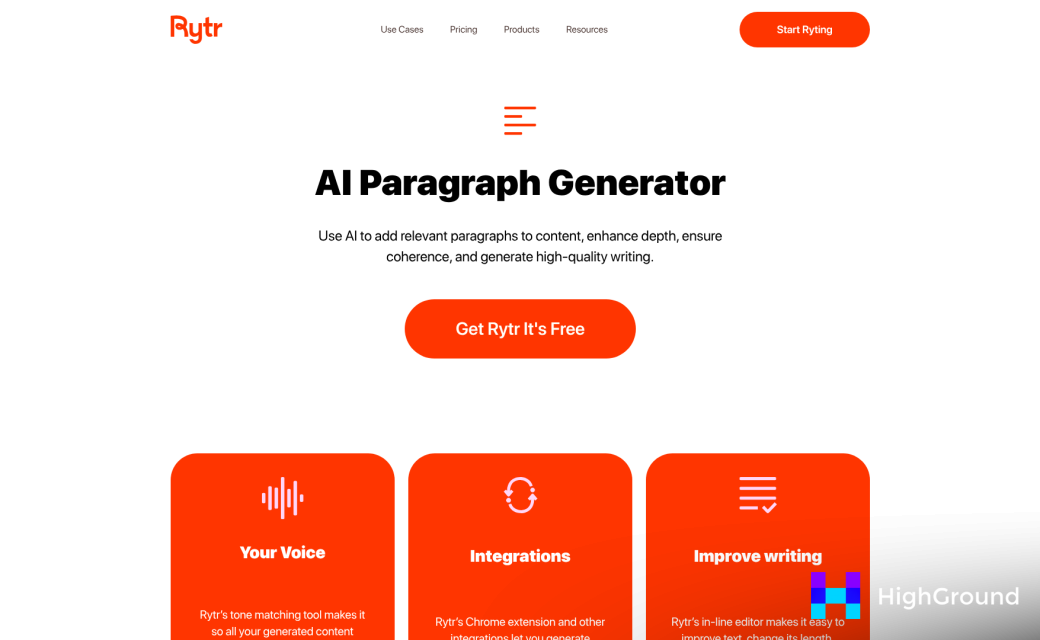
Rytr was built from the ground up to help write content faster - it comes with over 40 built-in use cases - things like blog sections, product descriptions, email subject lines, and social media posts. You pick a format, fill in a few details, and the tool gets to work. There is no need to have figured out how to phrase your request or train yourself to get results.
ChatGPT is a general-purpose AI, which means it was not designed specifically for content writing - it can do content writing, and do it well, but you have to bring your own structure to it. That means writing your own prompts, setting your own tone guidelines, and building a workflow that works.
That difference in design shapes almost everything about how each tool feels to use on a daily basis.
Rytr is focused on writers who want to move faster without spending time on setup - it fits those who want a structured starting point - a person who knows they need a product description or a cold email and just wants to get it done. The guardrails are built in, which means less time thinking about process and more time editing output.
ChatGPT fits a different writer. If you like to experiment, work across a lot of different tasks, or want full control over how the AI responds to you, a blank slate is a benefit instead of a limitation. The tradeoff is that you get out what you put in, and building a reliable content workflow takes actual upfront effort.
Before you compare features or prices, it helps to ask yourself one honest question: do you want a tool that makes decisions for you, or do you want one that waits for your direction? Neither answer is wrong. They just point to different tools for different working styles, and that distinction is the most helpful place to start. For more on this topic, explore our blog.
How the Pricing Stacks Up for Everyday Writers
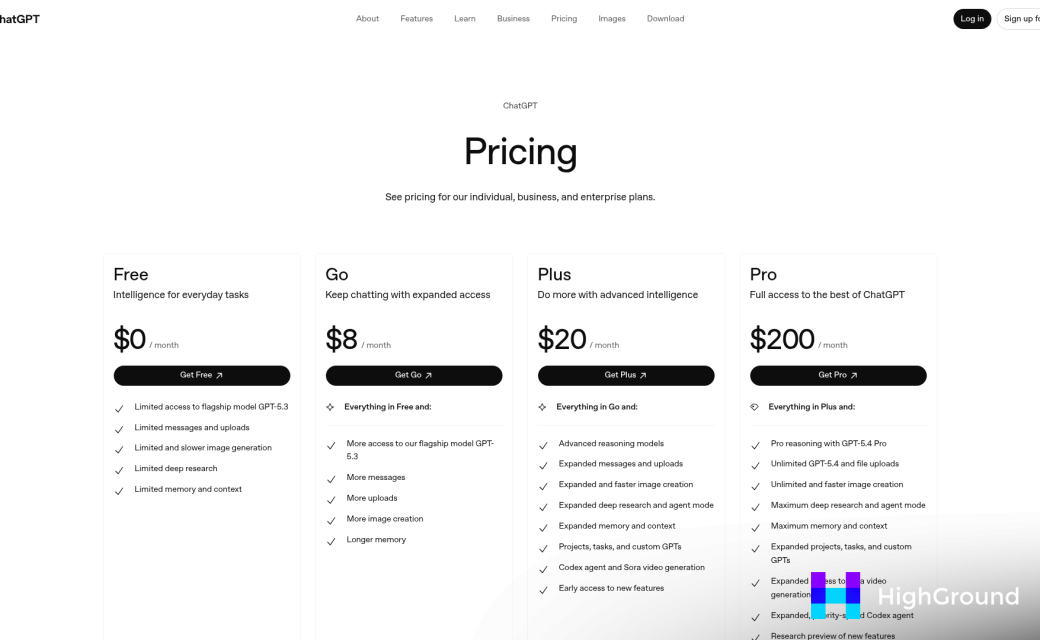
Both tools have free plans, but the limits on those plans tell very different stories. Rytr’s free tier gives you 10,000 characters per month, which is quite a bit until a single 500-word blog post eats through roughly 3,000 characters; and three pieces of content hit a wall for the month.
ChatGPT’s free plan works differently- it gives you access to GPT-3.5 with no hard character cap, but you lose access to GPT-4 and get slower response times during busy periods- it’s a wider free experience, but the gap in output quality between GPT-3.5 and GPT-4 is big for anything past basic writing tasks.
| Plan Name | Tool | Cost | Key Limit |
|---|---|---|---|
| Free | Rytr | $0/month | 10,000 characters per month |
| Premium | Rytr | $9/month | Unlimited characters |
| Free | ChatGPT | $0/month | GPT-3.5 only, slower at peak times |
| Plus | ChatGPT | $20/month | GPT-4 access, priority speed |
The price difference between paid plans is worth mentioning. Rytr’s Premium plan comes in at $9 per month, but ChatGPT Plus runs $20 per month - more than double the cost for a monthly subscription.
For a writer who needs to produce a steady stream of short content, Rytr’s paid plan is a sound investment. For a person who uses AI across a wider number of tasks - research, brainstorming, drafting long-form content - the extra cost of ChatGPT Plus may go well with the wider value it delivers.
A free plan is only helpful if it fits into how you actually work. If 10,000 characters runs out in your first week, the free tier stops being a helpful option and can become a trial with a deadline.
Speed and Output Quality - What the Research Says
A 2023 study by Noy and Zhang, published in Science, found that ChatGPT reduced writing job time by 40% and improved output quality scores by 18%. Those are actual numbers from a peer-reviewed study, and they carry weight. But the study looked at professional writing tasks like memos and cover letters - not at the full range of content writers produce every day.
That 40% speed gain is hard to dismiss. If you spend two hours drafting a blog post, cutting that down to around 70 minutes is a real change. The quality improvement is worth mentioning too, though it came with a caveat: the gains were largest for writers who started with weaker drafts.
Rytr measures speed differently. Instead of a blank prompt box, it gives you a structured starting point with use-case templates. For a writer who knows what format they need but struggles to get words on the page, that structure can remove friction - it isn’t faster in raw output terms, but it can cut back on the mental load of starting.
The honest question is whether faster always means better for your workflow. A tool that generates 800 words in two minutes only saves you time if those words are usable. Heavy editing can cancel out any speed advantage, and that’s worth factoring in if raw generation speed is the goal.

Both tools ultimately depend on how you use them. ChatGPT rewards writers who know how to write a strong prompt and smooth out the output through conversation. Rytr rewards writers who want guardrails and a more predictable structure to work within. The output quality from either tool correlates with input quality more than most people account for.
Speed and quality aren’t opposites, but they’re also not the same thing. The research shows what ChatGPT can do under the right conditions. What it can do for your work will depend on how much you’re willing to direct it.
User Satisfaction and Who’s Actually Using These Tools
Rytr has built up a user base of over 8 million people, and its satisfaction ratings sit at 4.9 out of 5 across more than 40,000 reviews on places like Trustpilot and G2; it’s a steady score which tells you something about the type of person who sticks with it.
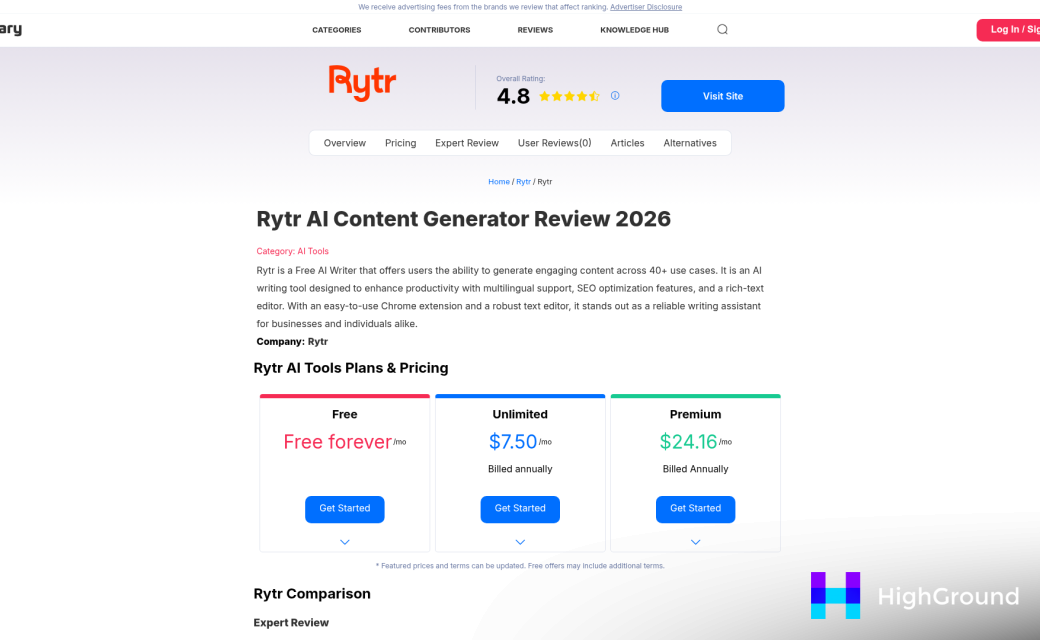
On Sonary, Rytr holds a 4.8 rating compared to ChatGPT’s 4.7. The gap is small, but the pattern is worth mentioning. Rytr’s reviews come from writers who wanted to get something done without a steep learning curve, and that shows up in how they talk about the tool.
ChatGPT’s adoption is on a different scale entirely - it has hundreds of millions of users across every imaginable use case, from coding to customer service to creative writing. That breadth is great, but it also means the feedback is spread across wildly different expectations and use cases. Writers are just one slice of a much bigger crowd.
The numbers hint at a difference in who feels at home with each tool. Rytr attracts writers who want a predictable, ready-to-use experience. ChatGPT draws people who are comfortable with open-ended tools and don’t mind spending time to get the output right.
That’s not a judgment on either group - it’s a helpful way to read the data. High satisfaction scores in a focused product mean the audience self-selects: those who want what it does are the ones who stay and leave reviews. Small business owners exploring similar tools may also want to look at Copy.ai alternatives built for smaller teams.
ChatGPT users have a wider range of needs and a wider range of results. Some love it and some find it frustrating, and those reactions make sense depending on how someone uses it. The satisfaction difference between the two tools is narrow, but the reasons behind the scores are pretty different.
Where Each Tool Falls Short for Writers
Every tool has a weak spot, and learning about what those are can save frustration. Neither Rytr nor ChatGPT is perfect, and the limitations they each have are pretty different in nature.
Rytr works pretty well for structured, short-form content in a hurry. But push it toward anything open-ended or creative and it starts to feel boxed in. The templates that make it easy to use also make it hard to go off-script. If you want to write something that doesn’t fit a recognizable format, Rytr can have a hard time coming up with what you actually had in mind.
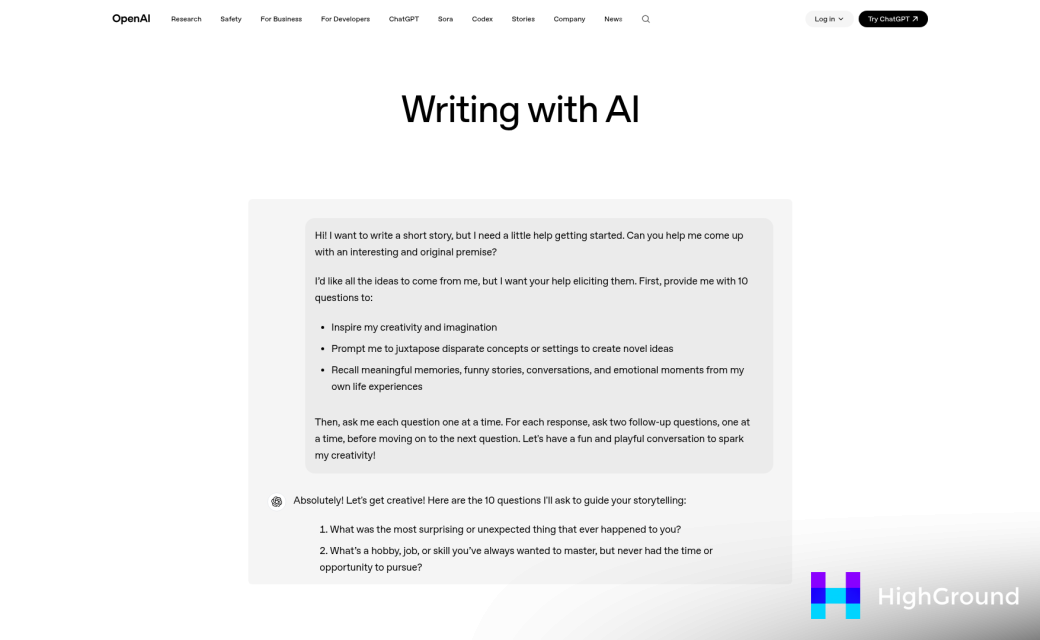
ChatGPT gives you far more room to experiment, but that freedom comes at a cost. If you don’t have a structured format going in, the quality of what you get back depends heavily on how well you phrase your request. Newer writers, or anyone who hasn’t spent time learning to prompt well, can walk away with output that feels generic or misses the mark entirely. There’s also no built-in workflow, so you have to build your own process from scratch.
| Rytr Weaknesses | ChatGPT Weaknesses |
|---|---|
| Limited flexibility for creative or unusual formats | No built-in structure or writing workflow |
| Templates can feel restrictive for longer projects | Output quality depends on your prompting ability |
| Less useful for nuanced or open-ended writing tasks | Can produce generic results without careful guidance |
| Customization options are fairly surface-level | No memory of previous sessions by default |
The most helpful question to ask yourself is which of these limitations would actually show up in your day-to-day work. A blogger writing product roundups might never run into Rytr’s creative ceiling. A novelist or brand strategist, on the other hand, might hit it constantly.
ChatGPT’s lack of structure isn’t a dealbreaker for experienced writers who know what they want. For those newer to AI writing tools, that same open canvas can slow things down more than it helps.
Matching the Right Tool to Your Writing Goals
The better tool is the one that fits the way you actually work - not the one with the higher rating.
If you write blog content and want to move from idea to draft without setup, Rytr’s structured templates give you a faster on-ramp. You’re not starting from scratch every time, and the built-in tone and format options do the guessing.
Freelancers who take on different work - product descriptions one day, email sequences the next - get more out of Rytr’s use-case library. It’s output focused and on-format. ChatGPT is able to manage that range too, but you’ll need to write stronger prompts to get comparable results.
For marketers who need to test angles, rewrite headlines, or build out campaign copy fast, either tool can work. ChatGPT gives you more creative range if you know how to direct it. Rytr keeps things tighter and predictable, which matters when you’re working to a quick turnaround.

Casual users who just want help with the occasional email or short piece of writing will probably find ChatGPT more accessible - it doesn’t ask you to choose a use case or configure anything - you just type what you need.
An easy overview by writer type:
| Writer Type | Better Fit |
|---|---|
| Bloggers and content creators | Rytr |
| Freelancers with varied briefs | Rytr |
| Marketers testing copy angles | Either, depending on workflow |
| Casual or occasional writers | ChatGPT |
| Writers who want full creative control | ChatGPT |
The actual question to ask yourself is whether you want a tool that guides the process or one that follows your lead. That difference shapes everything about how these two tools feel to use day to day.
So, Which One Should You Actually Write With?
The good news is you don’t have to guess. Both tools give you free tiers, so there’s nothing stopping you from testing them back to back with an actual project you’re already working on. Try drafting a blog intro in Rytr, then try the same prompt in ChatGPT. The right fit will become obvious faster than any comparison post can tell you.
One last thing worth saying: writers spend more time researching AI tools than using them. Whichever one you pick, the best writing tool is the one you’ll actually open. So pick one, start writing, and adjust from there. You’ve got everything you’ll need to make the best choice - now it’s time to use it.
FAQs
What is the main difference between Rytr and ChatGPT?
Rytr is built specifically for content creation with structured templates and use-case categories, while ChatGPT is a general-purpose AI that requires users to build their own prompts and workflows.
Which tool is cheaper, Rytr or ChatGPT?
Rytr’s Premium plan costs $9/month, while ChatGPT Plus costs $20/month. Both offer free tiers, though Rytr’s free plan is limited to 10,000 characters per month.
Does research support ChatGPT improving writing speed?
Yes. A 2023 peer-reviewed study by Noy and Zhang found ChatGPT reduced writing task time by 40% and improved output quality scores by 18%.
What are Rytr’s biggest limitations for writers?
Rytr struggles with creative or open-ended writing tasks. Its templates can feel restrictive for longer projects, and customization options remain fairly surface-level.
Which tool suits beginners better?
Rytr is better for beginners due to its built-in templates and structured workflow. ChatGPT’s open-ended interface can produce generic results without strong prompting skills.