


WriteSonic has built a reputation as a flexible AI content platform, popular with marketers, freelancers and small business owners who need to move fast across a variety of formats - blog posts, ads, landing pages, social copy. Profound, on the other hand, tends to draw users who are focused on depth and strategic content, especially those working in research-heavy niches or making long-form material where accuracy and structure matter more than speed.
The frustration felt when an AI tool underdelivers goes beyond wasted money - and wasted time and misplaced trust. You built a workflow around it. You told your team it would help. And then the content came back flat, generic, or factually shaky; it’s the context behind this comparison and it’s why surface-level feature lists aren’t enough.
What follows is a complete overview of places - pricing, core features, content quality and actual performance differences - so you can decide based on what actually matters to your work, not just what looks good on a product page.
Short Summary
WriteSonic is generally better for content creation, offering a wider range of templates, faster output, and more versatile writing tools for blogs, ads, and social media. It also integrates with Surfer SEO for optimized content. Profound, while useful for specific use cases, has a narrower feature set and less flexibility. For most content creators needing volume and variety, WriteSonic is the stronger choice, though Profound may suit users with niche requirements or those prioritizing a simpler, more focused workflow.
What Each Tool Was Actually Built to Do
Profound and WriteSonic are not two versions of the same thing. They come from different starting points and are built to solve different problems, so comparing them head-to-head only makes sense knowing what each one is trying for.
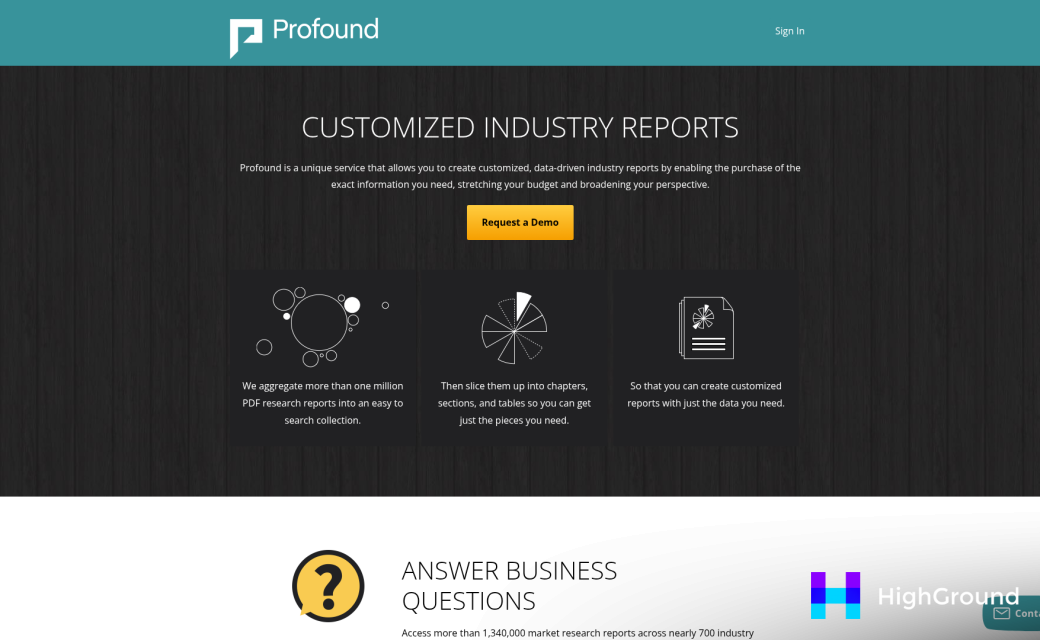
Profound is built around AI search visibility- it tracks how your brand appears inside AI-generated answers across places like ChatGPT, Perplexity, and Google’s AI Overviews. The foundation of this is a dataset of over 400 million anonymized user conversations, which gives Profound a way to surface what actual users are asking AI tools and how those tools respond. You want to make sure your content gets cited and referenced when AI systems answer questions in your space.
That makes Profound a better fit for SEO teams and brand strategists who want to track and grow their presence in AI-generated results- it’s less of a writing tool and more of an intelligence and optimization platform. If your job is to know where your brand stands inside AI answers and then act on that, Profound gives you a structure for that work.
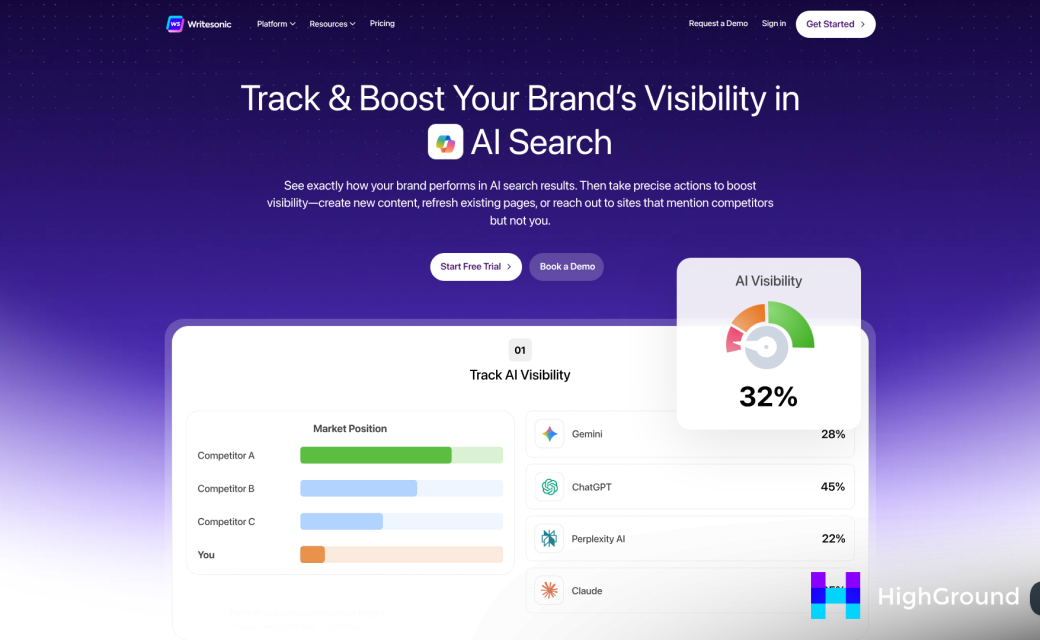
WriteSonic comes from a different angle- it’s built to help produce written content at scale, and it covers a wide range: blog posts, ad copy, product descriptions, landing pages, and more- it’s the tool a solo content creator or a small marketing team picks up when they need to move fast and fill a content calendar without hiring a full writing team.
Agencies also find it helpful because it works with volume well. WriteSonic is not trying to tell you where your brand appears in an AI chatbot’s response- it’s trying to get words on the page, faster and with enough quality to be helpful; it’s a different job entirely.
This distinction changes everything about how you review these two tools. One tool uses content as a means to an end, and the other treats content creation as the end itself. Knowing which problem you are trying to fix is the most important thing before you spend a dollar on either.
Pricing Breakdown - What You Actually Get for Your Money
The numbers here tell a story that goes past an easy cheaper-vs-pricier comparison. WriteSonic starts at $49/month for basic SEO and AI writing, which is a basic entry point to test the tool. Profound starts at $249/month. That plan doesn’t include articles at all - it’s focused on AI search tracking.
Once you move into higher tiers, the gap can become harder to ignore. WriteSonic’s $499/month plan gets you 100 articles per month. Profound’s $399/month plan gets you 3 template-based articles per month; it’s a dramatic difference in raw output for a price difference of just $100.
| Tool | Plan Price | Articles Included |
|---|---|---|
| WriteSonic | $49/month | Basic SEO + AI writing |
| WriteSonic | $499/month | 100 articles/month |
| Profound | $249/month | AI search tracking |
| Profound | $399/month | 3 template-based articles/month |
The actual question is what you actually need to pay for. WriteSonic is built to produce content at scale, and its pricing aligns well with that. Profound is built to help your brand get found inside AI-generated search results, and its pricing aligns well with that goal instead.

Three articles a month sounds low until you realize that Profound’s focus is on strategic placement and visibility in AI-driven search environments. The articles it generates are meant to serve a positioning goal - not to fill a content calendar.
That said, paying $399/month for 3 articles is a hard sell if you’re a content team that needs steady weekly output. WriteSonic has the volume for that. The value gap only closes if Profound’s tracking and AI search features are central to your strategy - and not everyone is at that point yet.
A business that needs to build content volume fast will look at these numbers and find WriteSonic much easier to justify. A brand that already has content in place and wants to know how AI systems are representing them may see Profound’s pricing differently.
WriteSonic’s Content Output - High Volume, But at What Cost?
WriteSonic has built a legitimately great user base. Over 6 million users trust the platform, and its ratings back that up - 4.7 out of 5 on G2 (from 2,065+ reviews) and Trustpilot (from 5,810+ reviews). Those numbers are not small, and they say something actual about the experience of having it.
WriteSonic is built for speed and scale. You can generate blog posts, ad copy, product descriptions, and social content in a matter of minutes. For teams that need to publish quite a bit and publish fast, that output capacity is a genuine benefit.
The content itself reads well on the surface. WriteSonic uses GPT-4 and its own Chatsonic model to generate text that feels polished and it’s usually on-topic. Most users find it reliable for first drafts and templated content formats.
Here is where things get tougher though. Despite all the positive reviews, WriteSonic’s own organic traffic has taken a known hit. Monthly visits dropped from around 800,000 down to approximately 367,000. That is a significant decline, and it’s worth thinking about what it tells us.
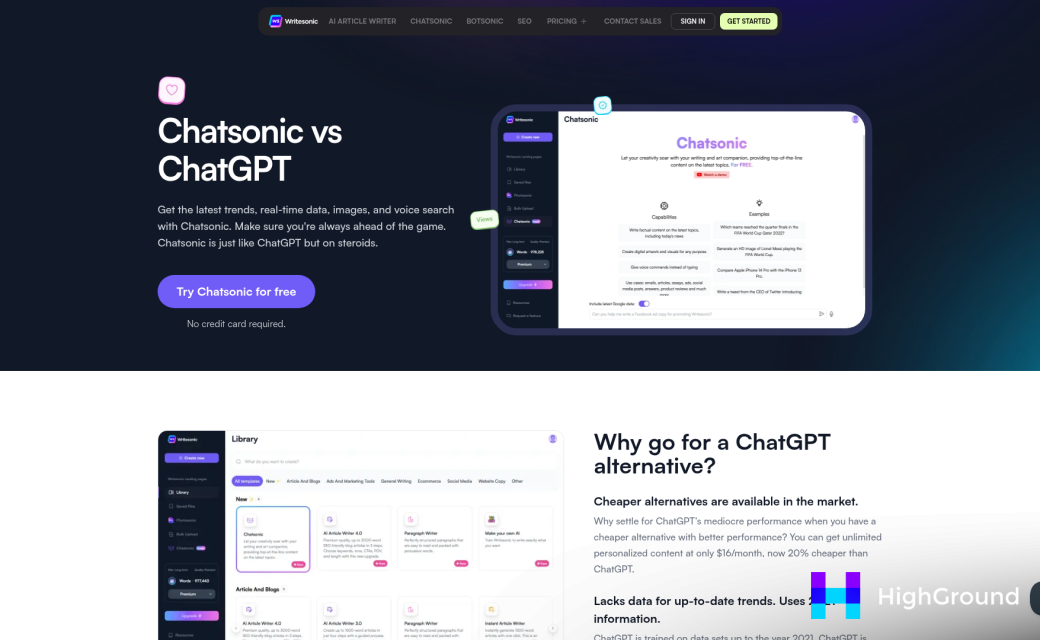
Part of the drop connects to how AI search tools like Google’s AI Overviews and ChatGPT now surface content. WriteSonic has seen a measurable fall in citations and references from these places. The content it helps create is getting less traction in the spaces that matter most right now.
This seems like a real tension in how WriteSonic was built - it prioritizes volume and speed, which works pretty well for traditional publishing workflows. But AI-driven search tools don’t reward content that reads well alone - they reward content that answers questions, shows actual expertise, and matches what people are actually looking for in a conversational way.
High ratings from users and declining search visibility are not necessarily a contradiction. People can love a tool for how easy it is to use while the content it generates quietly underperforms in search. WriteSonic makes writing faster, but faster is not necessarily the same as more helpful.
The platform is also investing in new features to close that gap - like real-time data integrations and SEO-focused workflows. Those updates may or may not be enough to reverse the traffic trend - an open question for a lot of content teams watching the numbers closely.
How Profound Uses Conversation Data to Optimize Content
Profound takes a fundamentally different strategy to content creation. Instead of generating large volumes of text on demand, it draws on a dataset of over 400 million anonymized user conversations to inform how content should be structured and positioned for AI-driven search.
That data depth is worth thinking about for a bit. When AI tools like ChatGPT or Perplexity answer a question, they pull from patterns in how actual users ask things and what replies get selected. Profound has built its platform around that same logic - using conversation data to show you what your content needs to get cited by those tools.
In practice, Profound is less focused on writing content for you and more focused on helping you understand where your content stands in relation to what AI systems are already surfacing. It can flag gaps between what your audience is asking and what your existing content actually answers. For teams running visibility campaigns across AI search platforms, that intelligence is helpful.

The data layer also shapes how Profound works with content recommendations. Rather than suggesting generic improvements, it can point to the types of replies and formats that AI tools favor when answering questions in your space. That specificity comes directly from the conversation data it sits on.
Here is the honest part though - this toolset is not built for everyone. A solo blogger publishing a few times a month is unlikely to get full value from a platform built around AI search positioning and large-scale content audits. The infrastructure behind Profound was built for teams that want to track and change how AI systems represent their brand or topic area over time.
For those teams, the conversation data is a real benefit - it connects content strategy to user behavior inside AI tools instead of relying on traditional keyword metrics that might not translate into AI search visibility at all.
The actual question is not whether Profound’s data is great - it is. The question is whether your content goals are about volume and speed or about positioning and accuracy. Those are two different problems and they call for two different tools. Knowing which one you have will tell you quite a bit about which platform is actually worth your time. If you are still exploring your options, the HighGround blog covers how different tools approach these tradeoffs in more depth.
Where Each Tool Wins and Where It Falls Short
Neither tool is universally better than the other. The one that works for you depends very much on what you’ll have to get done.
WriteSonic is built for volume. If you’ll have to produce a high number of blog posts, product descriptions, or marketing copy on a tight schedule, it works with that workload well - it gives you a fast way to go from a quick brief to a finished draft without friction. The tradeoff is that the output can seem generic at times, and you’ll probably need to edit for tone and accuracy before anything goes live.
Profound is a different tool altogether - it’s built so you can see how your brand appears inside AI-generated answers and shape that presence over time. That is a more targeted use case, and it’s helpful for businesses that care about visibility in tools like ChatGPT or Perplexity - it’s not the right fit if your job is to produce written content at scale.
A Quick Side-by-Side View
| Category | WriteSonic | Profound |
|---|---|---|
| Best use case | High-volume content creation | AI search visibility and brand monitoring |
| Content output speed | Fast | Not applicable |
| AI answer optimization | Not a focus | Core feature |
| Learning curve | Low | Moderate |
| Output variety | Wide range of formats | Narrow and specialized |
One thing worth saying directly: don’t pick a tool based on name recognition alone. WriteSonic has stronger general brand awareness, but that does not make it the right choice for every team. A brand trying to track and improve its presence in AI-generated search results will get almost nothing helpful out of WriteSonic for that goal.
A content team with a large publishing calendar will find Profound has very little to give them day-to-day. The tools are solving different problems, and that gap is bigger than it may appear.
So, Which One Should You Actually Use?
WriteSonic is for content output; Profound is for content strategy in an AI-driven search world. Your budget, your publishing volume, and how much AI search visibility matters to your business are the three things that should drive your choice. Neither tool is universally better - they’re just built for different goals.

Before you commit to either platform, take a bit to revisit your content goals. What does success look like for your brand over the next six to twelve months? The right answer to that question will point you toward the right tool - and save you from paying for features you’ll never use.
FAQs
What is Profound primarily built for?
Profound is built for AI search visibility, helping brands track and optimize how they appear in AI-generated answers across tools like ChatGPT and Perplexity.
Is WriteSonic good for high-volume content creation?
Yes, WriteSonic excels at producing blog posts, ads, and marketing copy at scale, making it ideal for teams with large publishing calendars needing fast output.
How do Profound and WriteSonic compare in pricing?
WriteSonic starts at $49/month, while Profound starts at $249/month. At comparable price points, WriteSonic delivers significantly more article volume than Profound.
Why has WriteSonic’s organic traffic declined?
WriteSonic’s traffic dropped from roughly 800,000 to 367,000 monthly visits, partly because AI search tools favor content demonstrating real expertise over high-volume, speed-focused output.
Which tool suits SEO and brand strategy teams better?
Profound is better suited for SEO and brand strategy teams, using 400 million anonymized conversations to optimize content visibility within AI-generated search results.